
Navigating the aftermath of a stroke often feels like walking through a maze without a map, especially when it comes to reclaiming lost cognitive abilities such as memory. Yet, imagine having a guide, a beacon that not only lights the path but also empowers the journey back to cognitive clarity. The STROKE RECOVERY ACTIVITY BOOK emerges as this guide, offering a collection of memory exercises specifically designed to rebuild and enhance cognitive functions diminished by stroke. Join us as we explore the transformative power of simple, engaging activities tailored for stroke recovery.
Broadening the Spectrum of Cognitive Exercises
While picture naming and sequencing activities lay a foundation for cognitive recovery, diversifying the approach can catalyze progress. Incorporating exercises that challenge memory retention and retrieval in varied contexts can simulate real-life scenarios, making the rehabilitation process more relevant and impactful.
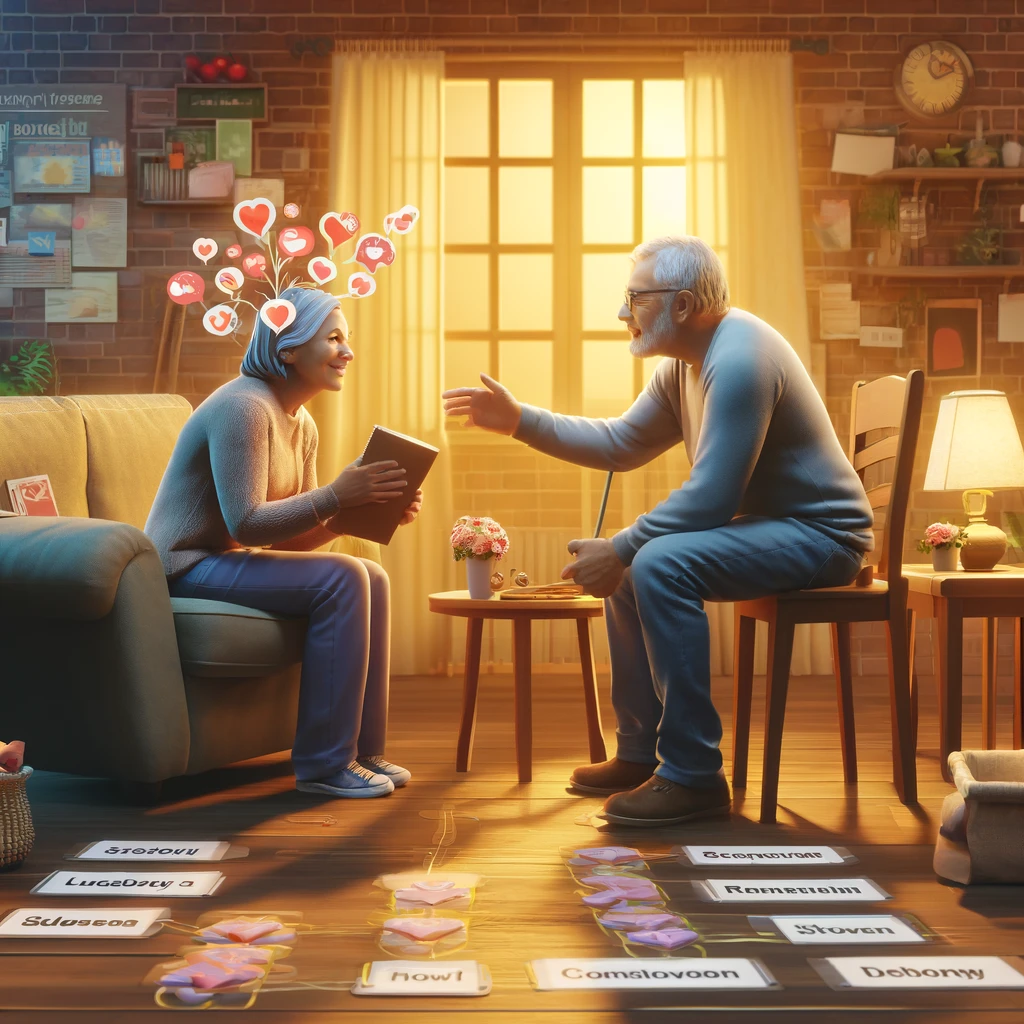
Interactive Storytelling and Role-Playing
These activities go beyond simple recall, engaging survivors in complex narrative construction and social interaction, which are vital for comprehensive cognitive rehabilitation. By narrating stories or participating in role-play, survivors not only work on memory but also practice language skills and social cues, essential for full reintegration into community and social life.
Utilizing Technology for Enhanced Memory Rehabilitation
In today’s digital age, leveraging apps and online platforms that offer memory games, puzzles, and brain-training exercises can provide a dynamic supplement to the STROKE RECOVERY ACTIVITY BOOK. These digital resources can offer personalized levels of difficulty, ensuring that the cognitive challenges grow with the survivor’s abilities.
Environmental Cues as Memory Aids
Transforming the living space into a cognitive rehabilitation environment involves using labels, notes, and strategic placement of items to serve as prompts or cues. This method helps integrate memory exercises into daily life, making every interaction an opportunity for rehabilitation.
Cognitive Rehabilitation Through Music and Art
Engaging in music and art can stimulate memory and cognitive functions in profound ways. Learning a new instrument, singing, or drawing can activate different brain areas, promoting neuroplasticity and emotional expression, which are crucial for recovery after a stroke.
The journey of cognitive recovery for stroke survivors is intricate, marked by challenges but also brimming with opportunities for growth and rediscovery. The STROKE RECOVERY ACTIVITY BOOK serves as a cornerstone in this journey, offering structured exercises designed to rekindle memory, language, and cognitive skills. Yet, the path doesn’t end with the book. Expanding recovery efforts to include storytelling, digital tools, environmental modifications, and creative arts enriches the rehabilitation process, offering a more rounded and engaging approach to cognitive healing.
In concluding, the narrative of stroke recovery is deeply personal and varies from one individual to another. However, the essence of recovery resides in persistence, adaptability, and the support of a community that believes in the boundless potential of the human spirit to overcome adversity. The STROKE RECOVERY ACTIVITY BOOK and the expanded array of cognitive exercises underscore a message of hope and resilience. They remind us that recovery is not merely about returning to who we were before the stroke but about moving forward, embracing new strengths, and rediscovering joy in the facets of life reimagined through the lens of perseverance and courage.
In this light, cognitive rehabilitation transcends being a series of tasks—it becomes a journey of empowerment, where each step, each word remembered, and each story told weaves into the tapestry of a life reclaimed. For stroke survivors and their families, this journey reiterates that with the right tools, strategies, and support, reclaiming cognitive functions and embracing life’s vibrancy post-stroke is not just possible—it’s within reach.