
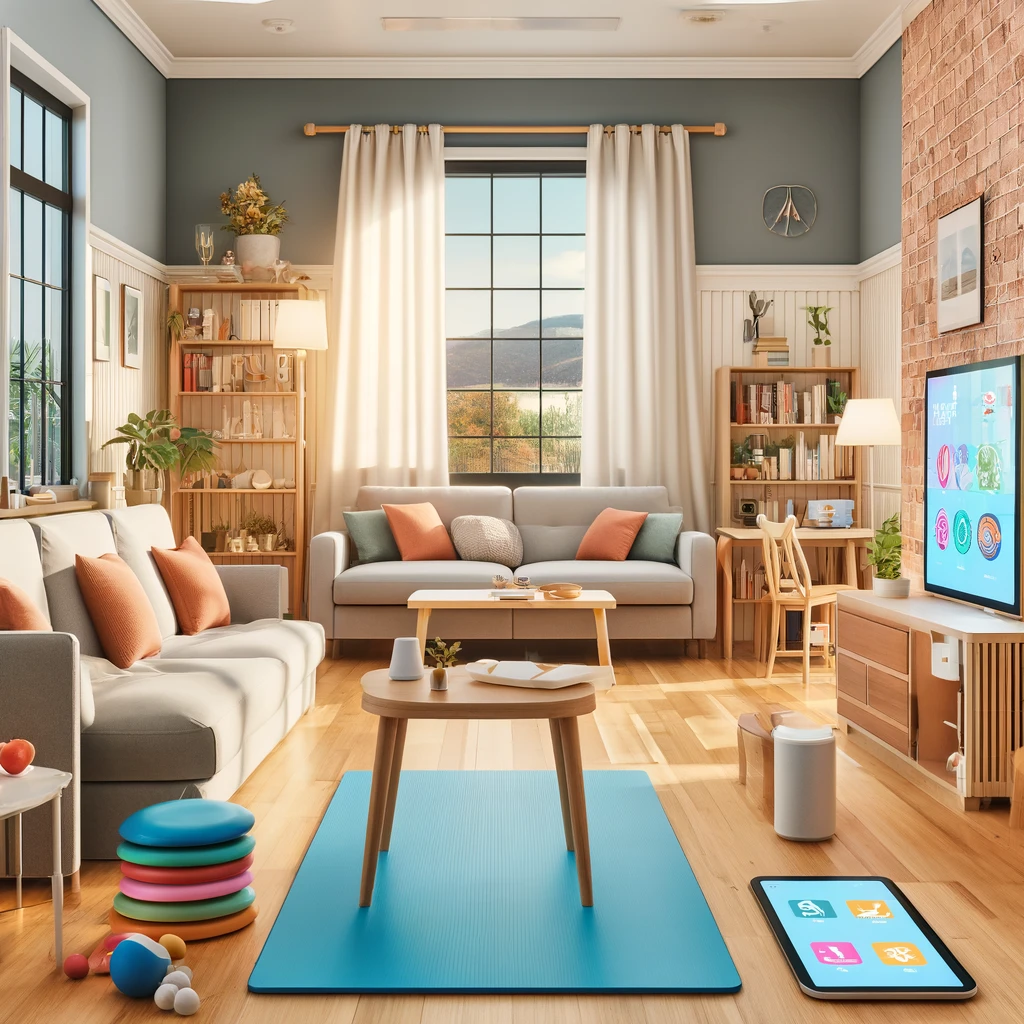
Navigating the aftermath of a stroke presents a daunting challenge not just for survivors but also for their families. Transforming a home into a supportive environment for recovery is crucial but often overlooked in the initial phases of rehabilitation. The STROKE RECOVERY ACTIVITY BOOK offers an innovative solution, providing targeted exercises aimed at enhancing aphasia, memory, language, fine motor skills, motivation, and cognitive functions. But how can these exercises be integrated into a home setting effectively? This article explores practical steps to create a stroke-friendly home, fostering an atmosphere where recovery and independence flourish.
Incorporating Technology for Enhanced Rehabilitation
In today’s digital age, technology plays a pivotal role in stroke rehabilitation. Smart home devices can automate lighting, temperature, and entertainment systems, reducing the physical strain on stroke survivors. Additionally, using tablets or smartphones to access cognitive training apps complements traditional exercises found in the STROKE RECOVERY ACTIVITY BOOK. These digital tools offer personalized challenges that adapt to the user’s progress, ensuring that cognitive exercises are neither too easy nor too difficult.
Creating Multi-Sensory Experiences for Cognitive Stimulation
Beyond visual and auditory stimuli, integrating tactile and olfactory elements into the home can stimulate cognitive recovery. For instance, gardening not only enhances fine motor skills through planting and watering but also engages the sense of touch and smell. Similarly, cooking activities can stimulate various senses while also improving life skills, providing a rich, multi-sensory rehabilitation experience.
Adapting Spaces for Physical Therapy Needs
A designated area for physical therapy exercises, equipped with mats, resistance bands, and balance tools, can facilitate daily physical rehabilitation sessions. This space should be easily accessible and spacious enough to perform a range of exercises recommended by physical therapists, including those that improve balance, strength, and flexibility.
The journey toward recovery from a stroke is profoundly personal and multifaceted, touching every aspect of a survivor’s life. Transforming a home into a rehabilitation-friendly environment is more than an act of modification; it’s a declaration of hope and a commitment to empowerment. By meticulously designing spaces that cater to the specific needs of stroke survivors, families can create a nurturing environment that not only facilitates physical, cognitive, and sensory rehabilitation but also fosters independence and emotional well-being.
The STROKE RECOVERY ACTIVITY BOOK serves as a cornerstone in this rehabilitative process, offering a diverse array of exercises that target aphasia, memory, language, fine motor skills, motivation, and cognitive functions. When combined with a thoughtfully adapted home environment and the strategic use of technology, it becomes a powerful tool in the stroke survivor’s recovery arsenal.
Ultimately, the goal of creating a stroke-friendly home is to empower survivors to reclaim their independence and enjoy a quality of life they may have thought lost. It’s about opening doors to new possibilities of recovery and rediscovery, where every adapted space and incorporated exercise brings them one step closer to their goals. In this light, a rehabilitation-friendly home environment is not just a physical space but a haven of recovery, resilience, and renewal, supporting stroke survivors as they navigate the challenging yet hopeful journey toward reclaiming their lives.