
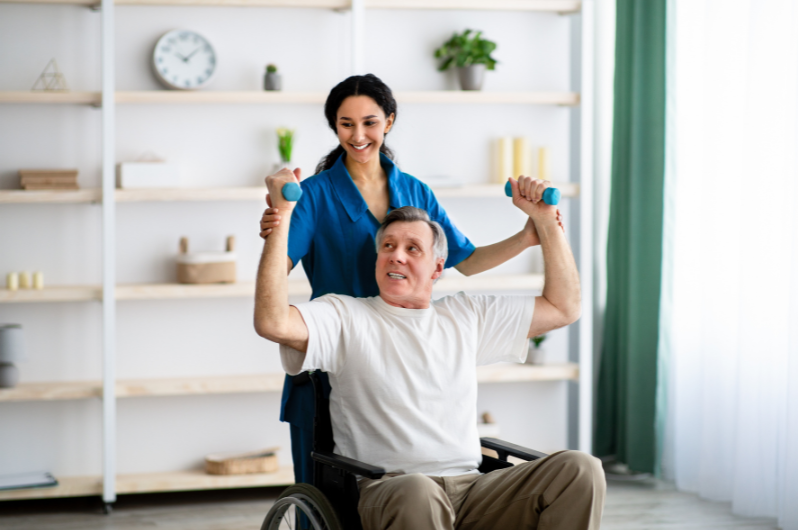
Overview of stroke and its impact on individuals.
A stroke occurs when the blood supply to part of the brain is interrupted or reduced, preventing brain tissue from getting oxygen and nutrients. Brain cells begin to die in minutes. This can happen in two main ways: through an ischemic stroke, where blood flow is blocked by a blood clot, and a hemorrhagic stroke, where a blood vessel in the brain bursts.
Impact on Physical Health: The immediate effects of a stroke vary depending on the brain area involved and the extent of the damage. Common physical consequences include paralysis or loss of muscle control, usually on one side of the body. Other physical issues may include fatigue, pain, and trouble with coordination and balance.
Cognitive Effects: Strokes can affect cognitive
abilities significantly. Many stroke survivors experience problems with thinking, awareness, attention, learning, judgment, and memory. In severe cases, this can lead to difficulties in processing information and maintaining emotional stability, a condition known as cognitive deficit.
Emotional Impact: The emotional repercussions of a stroke are profound. Survivors often face emotional challenges that include sudden mood changes, depression, anxiety, and frustration. These feelings are compounded by the stress of adjusting to physical limitations and a potentially altered life path.
Social Consequences: Stroke can dramatically alter an individual’s lifestyle. Social isolation is common, as survivors may be unable to participate in activities they once enjoyed. Relationships with family and friends might also be strained due to new dependency and the emotional toll of recovery.
Economic Burden: The financial impact of stroke on survivors and their families can be substantial. Medical expenses for ongoing rehabilitation, medication, and care combined with potential loss of income create significant economic strain.
In summary, a stroke is a life-altering event that affects not just the physical well-being of an individual but also their mental health, social life, and financial stability. Recovery often requires a comprehensive approach that includes physical rehabilitation, cognitive therapy, emotional support, and sometimes lifelong care.
Importance of timely and effective recovery processes.
Timely and effective recovery processes are crucial in the aftermath of a stroke. The first few hours and days following a stroke are critical for minimizing brain damage and improving the overall outcome. Here’s why prompt and efficient rehabilitation strategies are essential:
**1. Minimizing Brain Damage: Immediate medical intervention is vital. The quicker a stroke is diagnosed and treated, typically with medications like thrombolytics to dissolve blood clots, the better the chances of preserving brain function. In cases of hemorrhagic stroke, surgical interventions may be required to stop bleeding and reduce pressure in the brain. Prompt treatment can significantly reduce the extent of brain damage and improve recovery prospects.
**2. Preventing Secondary Complications: Early recovery processes also focus on preventing complications that can result from stroke, including pneumonia, urinary tract infections, and deep vein thrombosis. Managing these risks early with appropriate medical care, mobilization, and hydration is crucial to prevent further health deterioration.
**3. Enhancing Neuroplasticity: The brain’s ability to reorganize and form new neural connections, known as neuroplasticity, is highest soon after a stroke. Engaging in rehabilitation activities during this period can significantly enhance recovery. Timely initiation of physical, occupational, and speech therapy can leverage neuroplasticity, helping the brain compensate for the areas that have been damaged.
**4. Improving Functional Outcomes: The sooner stroke survivors start rehabilitation, the better their chances of regaining lost functions and returning to independent living. Early and structured rehabilitation programs can help survivors relearn basic skills such as walking, talking, and self-care activities, which are crucial for personal and social independence.
**5. Reducing Psychological Impact: Timely intervention also helps address the psychological impacts of stroke. Early involvement in recovery processes can foster a positive mindset and improve mental health by giving survivors a sense of progress and control over their recovery. Support from psychologists and counselors can be instrumental in helping patients cope with the emotional challenges posed by stroke.
**6. Economic Benefits: Efficient recovery processes can reduce the length of hospital stays and the need for extensive long-term care, significantly lowering healthcare costs. Additionally, enhancing the recovery rate increases the likelihood of patients returning to work, which helps mitigate the economic burden on the individual and society.
In conclusion, the importance of timely and effective recovery processes after a stroke cannot be overstated. They are critical not only for saving lives and reducing disability but also for improving the quality of life for stroke survivors and reducing the long-term societal and economic impact.
Understanding Stroke
Types of stroke: Ischemic and Hemorrhagic.
Strokes can be classified into two main types, each differing in cause, necessary treatment, and recovery process. Understanding these differences is crucial for effective stroke management.
1. Ischemic Stroke: Ischemic strokes are the most common type, accounting for about 87% of all strokes. They occur when a blood clot blocks or narrows an artery leading to the brain, causing a reduction in blood flow. Ischemic strokes can be further divided into two main categories:
- Thrombotic Stroke: This type happens when a blood clot (thrombus) forms in one of the arteries supplying blood to the brain. It often develops around atherosclerotic plaques.
- Embolic Stroke: This occurs when a clot or a fragment of a plaque forms away from the brain — commonly in the heart — and is swept through the bloodstream to lodge in narrower brain arteries. This type is often associated with heart problems, including atrial fibrillation.
2. Hemorrhagic Stroke: Hemorrhagic strokes account for about 13% of stroke cases but are responsible for a higher percentage of stroke-related deaths. They occur when a blood vessel in the brain bursts, leading to bleeding (hemorrhage) in or around the brain. Hemorrhagic strokes can be divided into two main types:
- Intracerebral Hemorrhage: This is the most common type of hemorrhagic stroke, occurring when an artery in the brain bursts, flooding the surrounding tissue with blood and damaging brain cells. High blood pressure is the leading cause of this type of stroke.
- Subarachnoid Hemorrhage: This occurs when there is bleeding in the area between the brain and the thin tissues covering it. A common cause is the bursting of an aneurysm, a balloon-like bulge in a blood vessel that can grow and rupture.
Differences in Symptoms and Urgency: While the symptoms of both types of stroke are similar, including sudden numbness or weakness in the face, arm, or leg (especially on one side of the body), trouble speaking, vision problems, headache, and dizziness, the treatment and urgency differ.
- Ischemic strokes may be treated with clot-busting drugs, which must be administered within a few hours after symptoms start to be effective.
- Hemorrhagic strokes, however, require different strategies, such as controlling the bleeding and reducing pressure in the brain. Surgical options might also be considered to repair blood vessel abnormalities in cases of subarachnoid hemorrhage.
Both types of stroke require immediate medical attention as early treatment is crucial in reducing brain damage and improving outcomes. The treatment strategies and recovery prospects significantly depend on the stroke type, underlying causes, and how quickly patients receive treatment after the onset of symptoms.
Common causes and risk factors.
Understanding the causes and recognizing risk factors for stroke can significantly aid in prevention and management. Here’s a detailed overview of what can lead to a stroke and the factors that increase the risk.
Common Causes of Stroke:
- Ischemic Stroke Causes:
- Blood Clots: The most common cause of ischemic strokes is blood clots that block a blood vessel supplying the brain. These clots can originate in the arteries leading to the brain or in the heart.
- Arterial Narrowing: Arteriosclerosis, or the thickening and hardening of artery walls due to plaque buildup, can narrow the arteries and reduce blood flow to the brain.
- Hemorrhagic Stroke Causes:
- Aneurysms: Weak spots in the blood vessel walls that bulge and burst, leading to bleeding in the brain.
- Arteriovenous Malformations (AVMs): Abnormal tangles of blood vessels in the brain that can rupture.
- High Blood Pressure: Chronic high blood pressure can weaken blood vessel walls, making them prone to rupture.
Risk Factors for Stroke:
- Medical Conditions:
- High Blood Pressure: The leading risk factor for stroke; maintaining blood pressure in a healthy range is crucial for prevention.
- Heart Disease: Conditions like coronary artery disease, heart failure, atrial fibrillation, and others increase stroke risk.
- Diabetes: Diabetes increases the risk of stroke by promoting atherosclerosis and high blood pressure.
- High Cholesterol: High levels of LDL cholesterol can lead to the buildup of plaques in arteries, increasing the risk of ischemic stroke.
- Lifestyle Factors:
- Smoking: Smoking accelerates clot formation, thickens blood, and increases the amount of plaque buildup in arteries.
- Poor Diet: Diets high in saturated fats, trans fats, and cholesterol can raise blood cholesterol levels, while high-salt diets can increase blood pressure.
- Physical Inactivity: Lack of exercise is associated with many of the risk factors for stroke, including obesity, high blood pressure, and diabetes.
- Other Factors:
- Age: The risk of having a stroke increases with age, doubling each decade after age 55.
- Family History: A family history of stroke can increase your risk.
- Gender: Men have a higher risk of stroke than women, although more women die from stroke.
- Ethnicity: African Americans, Hispanics, and Asian Americans have a higher risk of stroke than non-Hispanic whites, partly due to more prevalence of high blood pressure and diabetes in these populations.
- Personal or Previous Health History:
- Previous Stroke or TIA: People who have had a stroke or a transient ischemic attack (TIA) are at higher risk of having another stroke.
- Use of Certain Medications: The use of oral contraceptives or hormone therapies that include estrogen can increase stroke risk.
Prevention strategies typically focus on modifying lifestyle factors and managing medical conditions effectively. Regular medical check-ups, adopting a healthy diet, exercising, quitting smoking, and controlling blood pressure and diabetes can all significantly reduce the risk of stroke.
Immediate Post-Stroke Care
Critical first steps after a stroke.
The immediate response to a stroke is crucial to minimize brain damage and improve outcomes. Recognizing the signs of a stroke and taking prompt action can significantly affect the recovery process. Here are the critical first steps that should be taken when a stroke is suspected:
1. Recognize the Symptoms: The ability to recognize the early signs of a stroke can be life-saving. Remember the acronym F.A.S.T.:
- F – Face Drooping: Ask the person to smile. Does one side of the face droop?
- A – Arm Weakness: Ask the person to raise both arms. Does one arm drift downward?
- S – Speech Difficulty: Ask the person to repeat a simple sentence. Is their speech slurred or strange?
- T – Time to Call 911: If any of these symptoms are present, even if they go away, call emergency services immediately.
2. Call for Emergency Medical Help: Do not wait to see if the symptoms go away. Immediate medical treatment is critical. Call emergency services or 911 immediately. Provide clear information about the symptoms and when they started. Quick action is essential to utilize treatments such as clot-busting drugs, which are most effective if given within a few hours after symptoms begin.
3. Do Not Give Medications: Avoid giving the stroke victim any medication, including aspirin, unless directed by a medical professional. While aspirin can help in the case of certain types of strokes, it can be extremely harmful if the stroke is hemorrhagic.
4. Ensure the Person is Safe and Comfortable: While waiting for emergency services:
- Lay the person down in a comfortable position, preferably on their side to help maintain an open airway and prevent choking, especially if they are vomiting or bleeding from the mouth.
- Loosen any tight clothing that could restrict breathing.
- Do not give them anything to eat or drink.
- Stay with the person and monitor their condition. Keep them calm and reassured as they may feel anxious or frightened.
5. Note the Time of Symptom Onset: If possible, make a note of the time when the first symptoms appeared. This information is crucial for medical staff as it can influence the treatment decisions, particularly concerning the administration of thrombolytic agents.
6. Prepare for Medical Team’s Arrival: Be ready to provide the medical team with information about the person’s health, including any known medical conditions, medications they are taking, and if they have any allergies. This information will help accelerate the initial assessment and treatment once the medical team arrives.
Taking these steps can drastically influence the effectiveness of stroke treatment and the speed of recovery. Time lost is brain lost, and every minute counts when dealing with a stroke
Medical interventions and treatments.
Once a stroke has been identified, immediate medical intervention is crucial. The type of treatment administered largely depends on the type of stroke—whether it’s ischemic or hemorrhagic. Here’s a rundown of the primary medical interventions and treatments used for stroke patients:
1. Ischemic Stroke Treatments:
- Thrombolytic Therapy: Also known as clot-busting drugs, thrombolytics help dissolve the blood clot that is blocking the blood flow to the brain. The most common thrombolytic agent is tissue plasminogen activator (tPA), which must be administered within a 4.5-hour window from the onset of symptoms to be effective.
- Antiplatelet and Anticoagulant Medications: After initial treatment, medications such as aspirin, clopidogrel, and warfarin may be used to prevent new clots from forming or existing clots from expanding.
- Mechanical Thrombectomy: In certain cases, particularly for large clots in major arteries, a procedure called mechanical thrombectomy may be performed within 24 hours from the onset of symptoms. This involves using a catheter to physically remove the clot from the blood vessel in the brain.
2. Hemorrhagic Stroke Treatments:
- Control of Blood Pressure: Immediate management involves tightly controlling blood pressure to prevent further bleeding.
- Reversal of Anticoagulation: If the patient is on anticoagulant medication, drugs or other agents may be given to reverse the effects to stop the bleeding.
- Surgical Interventions:
- Craniotomy: In cases where there is significant swelling in the brain or a large hematoma, a section of the skull may be removed to relieve pressure.
- Aneurysm Clipping or Coiling: If the stroke is caused by a burst aneurysm, surgery may be required to repair the blood vessel. Clipping involves placing a tiny clamp at the base of the aneurysm, while coiling involves inserting a coil into the aneurysm to induce clotting and thereby prevent further bleeding.
3. Supportive Care:
- Managing Intracranial Pressure: Medications may be used to reduce the pressure inside the brain.
- Fluids and Nutrition: Careful management of fluids and electrolytes is essential to prevent swelling in the brain and to maintain normal physiological functions.
- Life Support and Monitoring: In severe cases, life support equipment may be needed to help with breathing, prevent pneumonia, and monitor vital signs.
4. Rehabilitation:
- Early Mobilization: Starting physical therapy early can help improve the recovery outcome.
- Speech and Language Therapy: This is essential for patients who have difficulty speaking or swallowing.
- Occupational Therapy: Helps patients regain their ability to perform daily activities through therapeutic exercises and training in the use of adaptive equipment.
Each of these treatments plays a vital role in managing stroke and optimizing recovery. The choice of intervention will depend on a range of factors, including the type of stroke, the affected area of the brain, the severity of the stroke, and the overall health of the patient. Immediate and aggressive management is critical to help reduce the effects of stroke and improve long-term outcomes.
Role of emergency care in stroke recovery.
Emergency care plays a pivotal role in the overall recovery of stroke patients. From the moment a stroke is suspected, the actions taken by emergency medical personnel can significantly influence the outcome and the extent of long-term disabilities. Here’s an in-depth look at how emergency care impacts stroke recovery:
1. Rapid Assessment and Diagnosis:
- Initial Evaluation: Emergency medical services (EMS) begin assessing a stroke patient’s condition as soon as they arrive on the scene. This includes checking vital signs, evaluating stroke symptoms with the F.A.S.T. test, and gathering medical history.
- Prompt Transport: EMS ensures rapid transport to a medical facility that can provide specialized stroke care, typically a hospital with a stroke unit or a comprehensive stroke center. Time is crucial, and the goal is to minimize delays in treatment.
2. Immediate Medical Intervention:
- Imaging and Lab Tests: Upon arrival at the hospital, emergency care teams conduct immediate imaging tests, such as a CT scan or MRI, to determine the type of stroke (ischemic or hemorrhagic) and the affected area of the brain. These tests are critical for deciding the appropriate treatment strategy.
- Administration of Treatments: For ischemic strokes, if the patient arrives within the appropriate time window, emergency care may include administering thrombolytic agents to dissolve the clot. In cases of hemorrhagic stroke, controlling blood pressure and managing bleeding are the priorities.
3. Prevention of Complications:
- Monitoring: Continuous monitoring in the emergency department helps detect and manage potential complications such as swelling in the brain, seizures, or a second stroke.
- Medication Management: Emergency personnel administer medications to stabilize the patient’s condition, manage symptoms, and prevent further damage. This may include blood thinners, blood pressure medication, and drugs to prevent seizures.
4. Coordination with Specialized Care:
- Specialist Involvement: Emergency care teams coordinate closely with neurologists, neurosurgeons, and other specialists. This collaboration is essential for formulating a comprehensive treatment plan that addresses both the immediate and long-term needs of the patient.
- Transition to Acute Care: Once stabilized, patients are typically transferred from the emergency department to an acute care unit within the hospital where specialized stroke recovery care continues. This includes detailed assessment and planning for rehabilitation.
5. Foundation for Rehabilitation:
- Early Rehabilitation Assessment: In some cases, rehabilitation begins in the emergency department. Occupational and physical therapists may evaluate the patient to determine the appropriate rehabilitation measures.
- Setting the Stage for Recovery: The swift and efficient care provided by emergency teams lays the groundwork for successful long-term recovery. Early interventions are crucial in limiting the extent of brain damage and enhancing the patient’s recovery trajectory.
In summary, the role of emergency care in stroke recovery is critical. It begins with the rapid recognition and diagnosis of stroke, followed by immediate treatment tailored to the type of stroke, and continues with ongoing monitoring to prevent complications. Effective emergency care not only saves lives but also sets the stage for successful rehabilitation and recovery, ultimately improving the quality of life for stroke survivors.
Early Stage Recovery
Assessment of stroke severity and effects.
Evaluating the severity and effects of a stroke is critical for determining the appropriate treatment and rehabilitation strategies. This assessment is usually performed using a combination of clinical evaluation and diagnostic tools, which help healthcare providers understand the extent of brain damage and its impact on the patient’s functional abilities. Here’s how the assessment is typically conducted:
1. Clinical Evaluation:
- Neurological Examination: Upon arrival at the hospital, a detailed neurological examination is conducted. This includes assessing the patient’s level of consciousness, orientation, speech, vision, motor skills, reflexes, and sensory function. The National Institutes of Health Stroke Scale (NIHSS) is commonly used to quantify the severity of a stroke. The NIHSS scores various aspects of neurological function, with higher scores indicating more severe strokes.
- Medical History: Gathering information about the patient’s medical history, including previous strokes, heart disease, diabetes, and lifestyle factors such as smoking and alcohol use, which can influence stroke treatment and prognosis.
2. Imaging Tests:
- Computed Tomography (CT) Scan: A CT scan of the brain is often the first imaging test performed. It helps to quickly identify whether the stroke is ischemic or hemorrhagic and to detect any bleeding, tumors, or other abnormalities in the brain.
- Magnetic Resonance Imaging (MRI): An MRI provides more detailed images of the brain and can detect changes in brain tissue and damage to brain cells sooner than a CT scan. It’s particularly useful for assessing the extent of ischemic damage and for planning rehabilitation.
- Carotid Ultrasound: For patients suspected of having an ischemic stroke caused by carotid artery disease, a carotid ultrasound may be used to assess the degree of carotid artery stenosis or blockage.
3. Functional Assessments:
- Mobility and Motor Skills: Physical therapists may evaluate how the stroke has affected the patient’s ability to move, balance, and perform daily activities such as walking and dressing.
- Speech and Language: A speech-language pathologist will assess difficulties with speaking, understanding, reading, and writing. This evaluation helps in diagnosing conditions like aphasia, dysarthria, or other communication disorders following a stroke.
- Cognitive Functioning: Neuropsychological tests may be used to evaluate memory, attention, problem-solving skills, and other cognitive abilities that could have been affected by the stroke.
4. Monitoring for Complications:
- Swelling in the Brain: Patients are monitored for signs of increased intracranial pressure due to swelling, which can further damage brain tissue.
- Secondary Stroke: Continuous monitoring and further assessments are necessary to prevent or quickly treat a secondary stroke or other related complications.
5. Ongoing Assessment:
- Regular Follow-ups: Repeated assessments are critical as the stroke recovery process can change over time. Follow-up visits with various specialists allow for adjustments to rehabilitation plans based on the patient’s progress and any new challenges that arise.
Accurate and thorough assessment of stroke severity and effects is essential for tailoring treatment to individual needs, predicting outcomes, and optimizing recovery. It involves a multidisciplinary approach, integrating expertise from neurology, radiology, physical therapy, speech therapy, and occupational therapy, among others.
Introduction to rehabilitation therapies.
After a stroke, rehabilitation therapies play a critical role in helping survivors regain as much function as possible, improve their quality of life, and achieve the highest level of independence. The type, intensity, and duration of rehabilitation can vary greatly depending on the severity of the stroke, the part of the body affected, and the patient’s overall health. Here’s an overview of the key rehabilitation therapies used in stroke recovery:
1. Physical Therapy:
- Goal: To improve motor skills, strengthen muscles, increase range of motion, and regain as much mobility as possible.
- Techniques: Exercises to retrain muscles and joints, gait training, and the use of mobility aids.
- Benefits: Helps reduce disability and increases independence in daily activities such as walking, sitting, and transitioning between movements.
2. Occupational Therapy:
- Goal: To assist patients in improving their ability to perform daily activities and tasks, such as dressing, eating, bathing, and cooking.
- Techniques: Training in the use of adaptive equipment, relearning fine motor skills, and strategies to compensate for visual, cognitive, and coordination deficits.
- Benefits: Enhances functional ability and independence in everyday life, helping patients adapt to limitations and improve their living conditions.
3. Speech and Language Therapy:
- Goal: To address problems with speaking, understanding, reading, and writing caused by stroke.
- Techniques: Individualized exercises to improve language skills, alternative communication strategies, and swallowing therapy if needed.
- Benefits: Helps regain communication skills and addresses difficulties with swallowing, a common issue after stroke.
4. Cognitive Rehabilitation:
- Goal: To improve mental functions such as memory, problem-solving, attention, and processing information.
- Techniques: Cognitive exercises, memory aids, training in executive functioning, and behavioral therapy.
- Benefits: Aims to restore cognitive abilities and help manage any changes in behavior and personality.
5. Psychological Counseling:
- Goal: To help stroke survivors cope with the emotional and psychological challenges that often accompany stroke, including depression, anxiety, and frustration.
- Techniques: Counseling, support groups, and possibly medication to manage mental health issues.
- Benefits: Improves mental health and emotional well-being, providing survivors with strategies to cope with changes in their lives and relationships.
6. Nutritional Counseling:
- Goal: To ensure stroke survivors receive adequate nutrition, which is crucial for healing and overall health.
- Techniques: Assessment of nutritional needs, diet planning, and monitoring of nutritional intake.
- Benefits: Supports overall recovery, helps manage other health conditions like diabetes or high cholesterol, and improves energy levels.
7. Vocational Therapy:
- Goal: To help survivors return to work if possible.
- Techniques: Assessment of vocational abilities, job retraining, and workplace modifications.
- Benefits: Facilitates a return to work and improves economic independence and self-esteem.
Rehabilitation is most effective when started as early as possible and tailored to the individual needs of each stroke survivor. It requires a coordinated effort by a team of health professionals and strong support from family members. The ultimate goal is to help stroke survivors achieve the best possible recovery, regain their independence, and improve their quality of life.
Setting goals for recovery.
Setting goals for recovery is a fundamental step in the rehabilitation process for stroke survivors. It provides direction, motivation, and benchmarks to measure progress. Effective goal-setting involves collaboration among healthcare providers, the stroke survivor, and their family. Here’s how goals are typically set and why they are crucial:
1. Collaborative Goal-Setting:
- Patient-Centered: Goals should be tailored to the individual’s specific needs, preferences, and life circumstances. This approach ensures that the goals are meaningful and motivating for the patient.
- Team Approach: A multidisciplinary team including physicians, nurses, therapists (physical, occupational, speech), psychologists, and social workers should be involved in the goal-setting process. This team provides a holistic view of the patient’s needs.
2. Types of Goals:
- Short-Term Goals: These are immediate objectives meant to be achieved in days to weeks. They often focus on small, achievable tasks that build momentum in the recovery process. For example, improving grip strength to hold a spoon or walking with assistance for a few steps.
- Long-Term Goals: These are broader objectives aimed at the final stages of recovery and beyond, such as returning to work, living independently, or engaging in community activities.
3. SMART Goals:
- Specific: Goals should be clear and specific to avoid ambiguity and to make them more attainable.
- Measurable: There should be a way to assess progress towards each goal, which helps in motivation and adjustment of therapy if progress stalls.
- Achievable: Goals need to be realistic and attainable to prevent frustration. Adjustments may be necessary as recovery progresses.
- Relevant: Each goal should be directly related to the patient’s personal priorities and rehabilitation needs.
- Time-bound: Setting a timeline helps provide urgency and a deadline which can motivate both the patient and the therapy team.
4. Examples of Stroke Recovery Goals:
- Physical: To walk 30 meters with the aid of a walker within six weeks.
- Cognitive: To improve short-term memory capabilities to manage daily tasks like medication management.
- Emotional: To develop strategies to manage and reduce anxiety within three months.
- Social: To re-engage in social activities, such as attending a weekly book club, within five months.
- Vocational: To return to part-time work or adapt current job responsibilities to match physical capabilities within a year.
5. Monitoring and Adjusting Goals:
- Regular Reviews: Goals should be reviewed regularly by the healthcare team and adjusted according to the patient’s progress and changes in their condition.
- Family Involvement: Family members should be involved in the goal-setting and review process to support the patient’s efforts and help implement home-based components of the recovery plan.
6. Importance of Flexibility:
- Adaptability: Recovery from a stroke can be unpredictable. Goals may need to be adjusted upward or downward depending on improvements or setbacks in the patient’s condition.
In conclusion, setting well-defined, achievable goals is essential for effective stroke recovery. It helps to optimize outcomes by keeping the entire rehabilitation team and the patient focused and aligned towards common objectives.
Physical Rehabilitation
Exercises and physical therapy for motor skills improvement.
Physical therapy is a cornerstone of rehabilitation after a stroke, focusing on improving motor skills and maximizing a patient’s physical abilities. This therapy plays a crucial role in helping stroke survivors regain movement and strength, reduce disability, and enhance quality of life. Here’s an overview of typical exercises and physical therapy techniques used to improve motor skills after a stroke:
1. Passive Range of Motion Exercises:
- Purpose: To maintain joint flexibility and prevent muscle stiffness in stroke survivors who may have limited mobility.
- Techniques: Therapists move the patient’s limbs through their full range of motion when the patient cannot perform these movements independently.
2. Active-Assistive Exercises:
- Purpose: To help regain muscle control and coordination by encouraging the patient to participate in movement.
- Techniques: The patient actively participates as much as possible with assistance from the therapist to complete the movement. This can involve the use of therapy bands, lightweight dumbbells, or other resistance tools to aid muscle reactivation.
3. Strength Training Exercises:
- Purpose: To build muscle strength, which is often reduced after a stroke due to muscle atrophy and neurological damage.
- Techniques: Utilizing resistance exercises tailored to the patient’s ability level. These may include using resistance bands, free weights, or body-weight exercises such as sit-to-stands or step-ups.
4. Coordination and Balance Training:
- Purpose: To improve coordination and balance, reducing the risk of falls and helping patients regain functional independence.
- Techniques: Balance exercises may be performed on different surfaces or in different positions to challenge the patient’s balance and coordination. Use of balance beams, wobble boards, and therapy balls can be particularly effective.
5. Gait Training:
- Purpose: To improve walking ability, an essential component of independence.
- Techniques: Walking exercises, initially with the support of parallel bars or a walking frame. Advanced training might include treadmill walking with body weight support. Therapists also teach compensatory strategies to manage any persisting gait abnormalities.
6. Task-Oriented Training:
- Purpose: To enhance the ability to perform daily tasks by practicing specific movements that are part of normal activities.
- Techniques: Repetitive practice of tasks such as reaching, grasping, transferring objects, or maneuvering around obstacles. This type of training is often integrated throughout the therapy to make improvements more functional and applicable to daily life.
7. Neurodevelopmental Techniques (NDT):
- Purpose: To improve postural control and reduce spasticity by encouraging normal movement patterns.
- Techniques: Therapists guide patients through normal movement patterns, often focusing on transitioning from lying down to sitting up, standing, and eventually walking.
8. Constraint-Induced Movement Therapy (CIMT):
- Purpose: To improve function in a weaker or more affected limb by restricting the use of the stronger limb.
- Techniques: The patient is encouraged to use the affected limb intensively to perform various tasks, while the unaffected limb is restrained in a mitt or sling.
9. Use of Technology and Equipment:
- Purpose: To enhance the effectiveness of physical therapy through modern technology.
- Techniques: Robotics, virtual reality systems, and electrical stimulation devices can be used to provide repetitive movement practice, sensory feedback, and increased motivation.
Incorporating these exercises and therapies into a comprehensive rehabilitation program helps stroke survivors rebuild strength, function, and confidence, ultimately leading to a better quality of life. Regular assessment by physical therapists ensures that the program evolves as the patient’s capabilities improve or change over time.
Techniques to regain strength and balance.
Regaining strength and balance is crucial for stroke survivors as these elements are fundamental to performing daily activities and living independently. Physical therapists employ various techniques to help patients improve their motor skills, enhance muscle strength, and stabilize their balance. Here’s a detailed look at effective strategies used in rehabilitation for these purposes:
1. Strength Training:
- Purpose: To rebuild muscle strength, enhance endurance, and increase muscle mass that may have been lost due to stroke.
- Exercises:
- Isometric Exercises: These involve tightening the muscles without moving the joint, ideal for patients with limited mobility.
- Progressive Resistive Exercises: Using resistance bands, free weights, or weight machines to gradually increase the resistance as strength improves.
- Functional Movements: Such as sit-to-stand exercises and step-ups, which mimic daily activities to improve both strength and functional ability.
2. Balance Training:
- Purpose: To improve a patient’s stability and reduce the risk of falls, which are common among stroke survivors due to impaired balance and coordination.
- Exercises:
- Static Balance Exercises: Practicing standing still in various positions, initially with support as needed, and progressing to unsupported standing.
- Dynamic Balance Activities: These involve maintaining balance while moving, such as walking along a line or navigating around obstacles.
- Balance Boards and Wobble Boards: Used to challenge balance and improve the ability to react to unstable situations.
3. Core Strengthening:
- Purpose: To stabilize the core muscles, which are vital for overall stability and balance.
- Exercises:
- Bridges: Lifting the hips while lying on the back to strengthen the lower back and hip muscles.
- Planks: Holding the plank position helps to strengthen the entire core.
- Leg Raises: Can be performed lying down or hanging to enhance lower back and hip flexor strength.
4. Coordination Drills:
- Purpose: To improve coordination and motor control, which are often affected by a stroke.
- Exercises:
- Hand and Foot Coordination Exercises: Such as tapping a balloon or catching a ball.
- Dual-Task Training: Performing a cognitive task while engaging in a physical activity to improve the ability to multitask.
5. Gait Training:
- Purpose: To improve walking patterns, efficiency, and safety.
- Techniques:
- Use of Assistive Devices: Such as walkers or canes to aid in safe walking.
- Treadmill Training: Possibly with body weight support to allow for walking practice without the full weight-bearing load.
- Visual and Audio Cues: To help synchronize and regulate gait patterns.
6. Yoga and Tai Chi:
- Purpose: To enhance flexibility, strength, and balance through gentle, flowing movements.
- Benefits:
- Yoga: Improves flexibility, core stability, and mental focus.
- Tai Chi: Known for improving balance and functional mobility, reducing the risk of falls.
7. Aquatic Therapy:
- Purpose: To perform exercises in a buoyant environment, which reduces stress on the joints, provides resistance, and enhances muscle strength and endurance.
- Benefits: Water supports the body, decreases fear of falling, and provides resistance in all directions of movement, enhancing both strength and balance.
These therapies and exercises are typically tailored to each patient’s specific needs and abilities, often becoming more challenging as recovery progresses. Regular assessment by therapists ensures that the rehabilitation program adapts to changes in the patient’s capabilities, maximizing recovery potential.
Cognitive and Emotional Rehabilitation
Addressing common cognitive impairments.
Cognitive impairments are common after a stroke and can significantly affect a survivor’s ability to return to everyday activities and live independently. These impairments may include problems with memory, attention, processing speed, executive function, and problem-solving skills. Effective rehabilitation strategies are crucial for addressing these challenges and enhancing cognitive recovery. Here’s an overview of the techniques and therapies used to address common cognitive impairments after a stroke:
1. Cognitive Rehabilitation Therapy (CRT):
- Purpose: To improve cognitive functions impaired by stroke through targeted exercises and tasks.
- Techniques:
- Task-Specific Training: Focused exercises designed to improve performance in tasks that patients find challenging, such as managing finances or planning activities.
- Memory Training: Techniques like mnemonic devices, visualization, and repetition to enhance memory.
- Concentration and Attention Exercises: Tasks that require focused attention to improve the ability to concentrate over longer periods or on multiple tasks at once.
2. Neuropsychological Interventions:
- Purpose: To manage more severe cognitive deficits through structured therapeutic interventions.
- Techniques:
- Errorless Learning: A teaching strategy where the therapist prevents the patient from making mistakes during the learning process to help better form memories.
- Metacognitive Strategies: Teaching patients to think about their own thinking to improve self-monitoring and regulation of behavior.
3. Computer-Assisted Cognitive Training:
- Purpose: To utilize software programs designed to improve various cognitive functions.
- Techniques:
- Adaptive Training Programs: These programs adjust difficulty in real-time based on the patient’s performance to continuously challenge the patient without causing frustration.
- Virtual Reality (VR): Immersive VR environments that simulate real-life scenarios for patients to practice cognitive skills in a controlled setting.
4. Psychotherapy:
- Purpose: To support cognitive rehabilitation by addressing the emotional and psychological aspects of stroke recovery.
- Techniques:
- Cognitive Behavioral Therapy (CBT): To help manage depression, anxiety, and stress that can exacerbate cognitive problems.
- Motivational Interviewing: Used to increase motivation and engagement in cognitive rehabilitation exercises.
5. Occupational Therapy:
- Purpose: To integrate cognitive exercises into daily activities and routines to improve functional independence.
- Techniques:
- Environmental Modifications: Simplifying and structuring the patient’s living environment to reduce cognitive overload.
- Daily Living Skills Training: Practicing task sequencing and problem-solving in everyday activities.
6. Social Interaction:
- Purpose: To engage stroke survivors in socially and mentally stimulating activities to boost cognitive function.
- Techniques:
- Group Therapy: Activities like group discussions or games that encourage social interaction and mental engagement.
- Family Involvement: Educating and involving family members in cognitive rehabilitation exercises to support recovery at home.
7. Medication:
- Purpose: To support cognitive functions through pharmacological means, although medication should be considered as adjunctive to therapy.
- Common Medications: Certain stimulants, antidepressants, or cognitive enhancers may be prescribed based on individual needs and medical advice.
Rehabilitation for cognitive impairments requires a multidisciplinary approach, as these deficits often overlap with physical and emotional challenges. Regular evaluation and adjustment of rehabilitation strategies are essential to match the evolving needs of the stroke survivor, ensuring the best possible outcome in cognitive recovery.
Managing emotional changes and mental health.
Recovering from a stroke often involves significant emotional and mental health challenges. Stroke survivors may experience a wide range of emotional responses, including sadness, frustration, anxiety, anger, and depression. These feelings can arise from the sudden changes in physical abilities, cognitive functions, and independence. Addressing these emotional changes is crucial for a holistic recovery process. Here are strategies and therapies used to manage emotional changes and maintain mental health after a stroke:
1. Psychological Assessment and Support:
- Purpose: To identify emotional and psychological difficulties early in the recovery process.
- Techniques:
- Initial Assessment: Conducted by a psychologist or psychiatrist to evaluate the emotional impact of the stroke.
- Ongoing Monitoring: Regular check-ins to assess changes in mood and mental health over time.
2. Psychotherapy:
- Purpose: To provide support and strategies for coping with the psychological aftermath of a stroke.
- Types of Therapy:
- Cognitive Behavioral Therapy (CBT): Helps patients identify and change negative thought patterns and behaviors. It’s particularly effective for depression and anxiety.
- Acceptance and Commitment Therapy (ACT): Focuses on accepting the new realities post-stroke and committing to personal values as a guide for action.
- Counseling: General counseling provides a safe space for stroke survivors to express their feelings and concerns.
3. Support Groups:
- Purpose: To connect stroke survivors with peers who are facing similar challenges.
- Benefits:
- Shared Experiences: Members share experiences, advice, and support.
- Social Interaction: Helps reduce feelings of isolation and loneliness.
4. Family Involvement and Education:
- Purpose: To educate family members about the emotional challenges associated with stroke recovery.
- Techniques:
- Family Therapy: Sessions that involve the family in discussions about the stroke survivor’s needs, expectations, and the family’s role in recovery.
- Educational Programs: Help family members understand the psychological impact of stroke and how to support their loved one.
5. Medication Management:
- Purpose: To address underlying or emergent psychiatric conditions such as depression or anxiety.
- Common Medications:
- Antidepressants: Such as SSRIs (selective serotonin reuptake inhibitors) to help manage depression.
- Anti-Anxiety Medications: Used to reduce acute anxiety and panic attacks.
- Mood Stabilizers: In cases where mood swings are severe.
6. Lifestyle Modifications:
- Purpose: To improve overall well-being, which can positively affect emotional health.
- Recommendations:
- Regular Physical Activity: Exercise can improve mood and reduce symptoms of depression and anxiety.
- Balanced Diet: A healthy diet supports brain health and overall well-being.
- Adequate Sleep: Important for emotional and physical recovery.
7. Mindfulness and Relaxation Techniques:
- Purpose: To reduce stress and improve emotional regulation.
- Techniques:
- Meditation: Helps in developing a state of calm and mindfulness.
- Yoga: Combines physical postures, breath control, and meditation to improve mental and physical health.
- Deep Breathing Exercises: Simple and effective way to manage stress and anxiety levels.
Managing the emotional and mental health aspects of stroke recovery is as important as addressing the physical and cognitive effects. Through comprehensive care that includes mental health support, psychotherapy, medication, and lifestyle adjustments, stroke survivors can navigate their recovery more successfully and lead fulfilling lives despite the challenges.
Speech and Language Therapy
Challenges with communication post-stroke.
Communication difficulties are common after a stroke and can significantly impact a survivor’s quality of life. These challenges arise because strokes often affect the areas of the brain responsible for language and communication. Understanding and addressing these issues is crucial for rehabilitation and recovery. Here’s an overview of the primary communication challenges faced by stroke survivors and their implications:
1. Aphasia:
- Description: Aphasia is the most common communication disorder post-stroke. It affects the ability to speak, read, write, and understand language. Aphasia varies in severity and type; some people may only have mild difficulty finding words, while others may lose the ability to speak entirely.
- Impact: This condition can lead to significant frustrations in daily interactions, social isolation, and emotional distress due to the inability to communicate thoughts, needs, and emotions effectively.
2. Dysarthria:
- Description: Dysarthria occurs when a stroke affects the muscles used for speech, making the voice sound slurred, slow, soft, or choppy. It is a motor speech disorder, affecting the physical production of speech sounds.
- Impact: Dysarthria can make it hard for others to understand the stroke survivor, leading to communication breakdowns and social withdrawal.
3. Apraxia of Speech:
- Description: Also known as verbal apraxia, this condition involves difficulty in coordinating the muscle movements needed to form words. Unlike dysarthria, the problem is not muscle weakness but rather motor planning issues.
- Impact: Individuals with apraxia of speech know what they want to say but find it difficult to communicate words properly, leading to significant frustration and communication barriers.
4. Cognitive-Communication Disorders:
- Description: Some stroke survivors experience changes in their cognitive abilities, such as attention, memory, and executive function, which affect their communication skills. They may have trouble following conversations, staying on topic, or using language appropriately.
- Impact: These challenges can complicate personal relationships and professional interactions, impacting social integration and employment opportunities.
Strategies for Managing Communication Challenges
1. Speech and Language Therapy:
- Technique: Speech-language pathologists (SLPs) work with stroke survivors to improve their speech, language, and communication skills through various exercises and personalized therapy plans.
- Benefits: Therapy can help regain lost abilities, learn new communication strategies, and use alternative communication methods if necessary.
2. Communication Aids:
- Tools: Depending on the severity and type of communication impairment, tools such as picture boards, speech-generating devices, or apps can assist in everyday communication.
- Benefits: These aids provide alternative ways for stroke survivors to express themselves, enhancing their ability to interact with others and reducing isolation.
3. Family and Caregiver Education:
- Focus: Educating family members and caregivers about communication disorders and effective communication strategies is crucial.
- Benefits: Improved communication within the family can enhance relationships and the overall rehabilitation process.
4. Social Interaction Opportunities:
- Activity: Encouraging participation in support groups, community activities, and social gatherings tailored to stroke survivors.
- Benefits: Increases confidence in communication abilities and reduces feelings of isolation by interacting with others facing similar challenges.
5. Patience and Understanding:
- Approach: Both the stroke survivor and those around them need to practice patience and develop a deeper understanding of the communication challenges.
- Benefits: Creates a supportive environment that acknowledges the difficulties and encourages continuous improvement and interaction.
Addressing communication challenges after a stroke involves a comprehensive approach that combines medical, technological, and emotional support to improve the survivor’s quality of life and facilitate their reintegration into social and professional life.
Strategies and therapies to improve speech and understanding.
Speech and language impairments are common following a stroke, significantly affecting a survivor’s ability to communicate effectively. Rehabilitation efforts focused on improving speech and understanding are crucial for helping individuals regain their communication skills and enhancing their overall quality of life. Here are key strategies and therapies used to address speech and comprehension difficulties:
1. Speech and Language Therapy (SLT):
- Purpose: Tailored to the specific needs of the stroke survivor, SLT aims to restore as much of their speech and language ability as possible, or help them compensate for irreversible impairments.
- Techniques:
- Individualized Therapy Sessions: These sessions focus on articulation practice, language comprehension exercises, and alternative communication strategies.
- Group Therapy: Provides opportunities for social interaction and practice in a supportive setting.
- Intensive Practice: Encourages frequent and repetitive use of speech and language skills to maximize recovery.
2. Cognitive-Communication Therapy:
- Purpose: To address problems with communication that are related to cognitive issues, such as memory, attention, or problem-solving.
- Techniques:
- Attention Training: Exercises designed to improve sustained, selective, and divided attention.
- Memory Aids: Teaching strategies to compensate for memory loss, such as using notebooks, alarms, and mnemonics.
- Executive Function Exercises: Helps improve planning, sequencing, and organizational skills through structured tasks.
3. Computer-Based Therapy Programs:
- Purpose: To supplement traditional therapy methods with engaging, adaptable, and accessible speech therapy exercises.
- Techniques:
- Software Programs: Target specific areas of speech and language development.
- Apps: Many apps are designed to provide practice in vocabulary, grammar, and comprehension, often using game-based formats to maintain engagement.
4. Augmentative and Alternative Communication (AAC):
- Purpose: To support or replace verbal speech with other forms of communication.
- Tools:
- Picture Boards: Visual aids that allow individuals to communicate through pointing or gazing.
- Electronic Devices: Speech-generating devices that can help express thoughts, needs, and desires.
- Apps and Tablets: Modern AAC solutions that offer customizable interfaces and portability.
5. Pronunciation and Articulation Exercises:
- Purpose: To improve clarity of speech by strengthening muscles and enhancing the ability to form sounds.
- Techniques:
- Oral-Motor Exercises: Activities that strengthen the muscles used in speech.
- Phonetic Placement: Teaching how to position the tongue, lips, and jaw for accurate sound production.
- Minimal Pairs Therapy: Using pairs of words that differ by only one sound to help refine speech sounds.
6. Listening and Comprehension Training:
- Purpose: To improve the stroke survivor’s ability to understand spoken language and respond appropriately.
- Techniques:
- Auditory Discrimination Activities: Focusing on identifying different sounds and words.
- Following Directions: Exercises that involve processing and executing verbal instructions.
- Conversational Tactics: Strategies to improve the understanding of everyday speech in various contexts.
7. Family and Caregiver Involvement:
- Purpose: To ensure that the stroke survivor has a supportive environment conducive to practicing new skills.
- Approaches:
- Education Sessions: Teaching families how to communicate effectively with the survivor.
- Inclusion in Therapy: Involving caregivers in therapy sessions to learn strategies and facilitate practice at home.
Each of these strategies can be tailored to meet the individual needs of the stroke survivor, depending on the nature and extent of their speech and language difficulties. Regular assessments by speech-language pathologists ensure that the rehabilitation plan evolves as the survivor progresses, aiming for the highest possible level of recovery and independence in communication.
Long-Term Recovery Goals
Strategies for long-term improvements.
Long-term recovery from a stroke involves continuous effort and adaptation to achieve and maintain improvements over time. It’s crucial to establish a sustainable and holistic approach to care that addresses physical, cognitive, and emotional aspects of recovery. Here are key strategies that can facilitate long-term improvements for stroke survivors:
1. Ongoing Rehabilitation:
- Purpose: To maintain and enhance the gains made during initial post-stroke rehabilitation.
- Approaches:
- Regular Physical Therapy: Continued sessions to sustain and improve motor function, flexibility, and strength.
- Consistent Occupational Therapy: To keep refining skills necessary for daily living and possibly discover new techniques or tools as technology and methods advance.
- Speech and Language Maintenance: Continuous practice and therapy to support communication abilities and cognitive functions.
2. Lifestyle Modifications:
- Purpose: To reduce risk factors associated with stroke and promote overall health.
- Modifications:
- Healthy Diet: Focus on a balanced diet rich in fruits, vegetables, lean proteins, and whole grains, and low in saturated fats and sodium.
- Regular Exercise: Tailored exercise programs that consider the individual’s limitations and strengths, aiming to improve cardiovascular health and physical fitness.
- Weight Management: Maintaining a healthy weight to decrease the likelihood of hypertension, diabetes, and other stroke risk factors.
3. Medication Adherence:
- Purpose: To manage and mitigate the risk of subsequent strokes or other related health issues.
- Strategies:
- Regular Medical Check-ups: Frequent visits to healthcare providers to monitor health status and adjust medications as necessary.
- Education on Medication Management: Understanding the importance of each medication, its effects, and the consequences of non-adherence.
4. Psychological Support:
- Purpose: To address the ongoing emotional and mental health challenges that can arise after a stroke.
- Support Options:
- Continued Mental Health Counseling: Therapy sessions to deal with new challenges as they emerge in the recovery process.
- Support Groups: Ongoing participation in stroke survivor groups to share experiences and coping strategies.
5. Community Engagement:
- Purpose: To promote social integration and reduce feelings of isolation.
- Activities:
- Volunteer Work: Engaging in community service can provide a sense of purpose and community connection.
- Social Clubs and Activities: Participation in events that align with the survivor’s interests, such as book clubs, walking groups, or local classes.
6. Adaptive Technologies and Aids:
- Purpose: To assist with daily tasks and improve independence.
- Technologies:
- Mobility Aids: Updated and customized mobility aids like walkers, canes, or wheelchairs.
- Smart Home Devices: Installation of voice-activated systems, automated lighting, and other technologies to make living spaces more accessible.
7. Lifelong Learning and Adaptability:
- Purpose: To encourage continual adaptation and learning to manage ongoing changes in abilities and health.
- Approaches:
- Skill Development: Learning new skills or hobbies that not only improve cognitive function but also enhance quality of life.
- Flexibility in Goals: Regular reassessment of goals to align with current abilities and aspirations.
8. Family and Caregiver Support:
- Purpose: To ensure caregivers are well-equipped to provide long-term support.
- Support Strategies:
- Educational Workshops: Training for caregivers on stroke care, rehabilitation techniques, and emotional support.
- Respite Care: Access to occasional relief to prevent caregiver burnout.
Implementing these strategies can significantly improve the quality of life for stroke survivors and provide them with the best chances of long-term recovery and independence. Regular consultations with healthcare providers are essential to tailor these strategies to individual needs and to adjust them as recovery progresses.
Adapting to new limitations and abilities.
Adapting to new limitations and abilities following a stroke is a gradual process that requires patience, resilience, and a willingness to embrace change. It’s essential for stroke survivors to recognize and accept their new circumstances while exploring ways to maximize their potential and maintain a fulfilling life. Here are strategies for adapting to new limitations and abilities after a stroke:
1. Self-Awareness and Acceptance:
- Understanding Limitations: Take time to acknowledge and understand the physical, cognitive, and emotional changes resulting from the stroke.
- Embracing Changes: Accepting that certain abilities may have changed and recognizing that adaptation is a natural part of the recovery journey.
2. Setting Realistic Goals:
- Assessing Abilities: Evaluate current strengths and limitations to set achievable short-term and long-term goals.
- Flexibility: Be open to adjusting goals as abilities evolve over time, celebrating progress regardless of the pace.
3. Identifying Resources and Support:
- Healthcare Professionals: Consult with physicians, therapists, and other specialists to develop personalized strategies for adaptation.
- Support Networks: Seek support from family, friends, support groups, and online communities to share experiences, insights, and encouragement.
4. Assistive Devices and Adaptive Techniques:
- Mobility Aids: Utilize canes, walkers, wheelchairs, or orthotic devices to facilitate movement and maintain independence.
- Adaptive Tools: Explore adaptive tools and technologies designed to assist with daily tasks, such as grip aids, reachers, or voice-activated devices.
5. Rehabilitation and Therapy:
- Continuous Therapy: Engage in ongoing physical, occupational, and speech therapy to optimize functional abilities and adapt to new challenges.
- Learning New Skills: Explore rehabilitation programs that teach alternative techniques and compensatory strategies for managing limitations.
6. Embracing Creativity and Innovation:
- Alternative Solutions: Explore creative solutions and innovative approaches to overcome barriers and achieve desired outcomes.
- Trial and Error: Be open to experimentation and experimentation to find what works best for individual needs and preferences.
7. Cultivating Resilience and Positive Mindset:
- Resilience: Develop resilience by focusing on strengths, learning from setbacks, and maintaining a sense of optimism and determination.
- Positive Affirmations: Practice positive self-talk and affirmations to reinforce confidence, motivation, and self-esteem.
8. Engaging in Meaningful Activities:
- Identifying Passions: Pursue hobbies, interests, and activities that bring joy, fulfillment, and a sense of purpose.
- Adaptive Participation: Modify activities as needed to accommodate limitations while still engaging in meaningful experiences.
9. Educating Others:
- Communication: Communicate openly and honestly with family, friends, and caregivers about needs, preferences, and challenges.
- Advocacy: Advocate for oneself by educating others about stroke-related limitations and promoting understanding and support.
Adapting to new limitations and abilities after a stroke is a lifelong journey that requires patience, perseverance, and a proactive approach. By embracing change, seeking support, and exploring adaptive strategies, stroke survivors can cultivate resilience and lead fulfilling lives despite the challenges they may face.
Support Systems and Resources
Importance of family and community support.
Family and community support play a vital role in the rehabilitation and recovery journey of stroke survivors. Their encouragement, understanding, and practical assistance contribute significantly to the physical, emotional, and social well-being of the individual. Here’s why family and community support are crucial in stroke recovery:
1. Emotional Support:
- Understanding and Empathy: Family members and friends provide a supportive environment where stroke survivors can express their emotions, fears, and frustrations without judgment.
- Validation: Feeling understood and validated in their experiences helps stroke survivors cope with the emotional challenges of recovery.
2. Motivation and Encouragement:
- Positive Reinforcement: Family members and community networks provide encouragement and praise for milestones achieved during the recovery process, boosting the survivor’s motivation.
- Sense of Belonging: Knowing they have a support system cheering them on motivates stroke survivors to persist through challenges and strive for progress.
3. Practical Assistance:
- Physical Care: Family members often assist with activities of daily living, such as bathing, dressing, and meal preparation, especially in the early stages of recovery when independence may be limited.
- Logistical Support: Help with transportation to medical appointments, managing medications, and coordinating rehabilitation sessions eases the burden on the stroke survivor and ensures continuity of care.
4. Facilitating Rehabilitation:
- Encouraging Participation: Family members and community networks motivate stroke survivors to engage in rehabilitation exercises, attend therapy sessions, and practice adaptive techniques to improve their skills and regain independence.
- Providing Feedback: Observations from family members about the stroke survivor’s progress and challenges can inform therapists and healthcare providers, leading to more personalized and effective rehabilitation plans.
5. Social Connection and Integration:
- Reducing Isolation: Family support and community involvement counteract feelings of loneliness and isolation that may arise during stroke recovery, promoting social connection and belonging.
- Participation in Activities: Engaging in community events, support groups, and social gatherings fosters a sense of normalcy and inclusion for stroke survivors, enhancing their overall well-being.
6. Advocacy and Education:
- Empowerment: Family members and community advocates empower stroke survivors by advocating for their needs, rights, and access to resources within the healthcare system and the broader community.
- Education: Providing education about stroke prevention, rehabilitation strategies, and available support services equips both stroke survivors and their support networks with the knowledge to navigate the recovery journey more effectively.
7. Long-Term Well-Being:
- Sustained Support: Family and community support networks continue to play a crucial role in the long-term management of stroke-related challenges, providing ongoing encouragement, assistance, and companionship.
- Quality of Life: A strong support system contributes to the overall quality of life for stroke survivors, promoting independence, dignity, and fulfillment as they navigate life after stroke.
In conclusion, family and community support are essential pillars of stroke recovery, providing emotional encouragement, practical assistance, and social connection to enhance the well-being and resilience of stroke survivors. By fostering a supportive environment and advocating for their needs, family members, friends, and community networks empower stroke survivors to achieve their fullest potential and lead fulfilling lives post-stroke.
Professional resources: Support groups, counselors, and rehabilitation centers.
Access to professional resources is crucial for stroke survivors and their caregivers to receive comprehensive support and guidance throughout the recovery process. Here are various types of professional resources available to assist stroke survivors:
1. Support Groups:
- Purpose: Support groups provide a safe and empathetic space for stroke survivors, caregivers, and family members to share experiences, receive emotional support, and exchange practical advice.
- Benefits: Participants can gain insights into coping strategies, learn from others’ experiences, and feel less isolated by connecting with individuals who understand their challenges.
- How to Find: Local hospitals, community centers, and online platforms often host stroke support groups. Healthcare providers and social workers can also provide referrals.
2. Counselors and Therapists:
- Purpose: Mental health professionals, such as psychologists, counselors, and social workers, offer individual or group therapy sessions to address the emotional and psychological effects of stroke on survivors and their families.
- Benefits: Counseling sessions provide a confidential space to explore feelings of anxiety, depression, grief, and adjustment to life changes post-stroke. Therapists offer coping strategies, stress management techniques, and tools to improve resilience.
- How to Find: Referrals to mental health professionals specializing in stroke recovery can be obtained from primary care physicians, neurologists, or rehabilitation centers. Local mental health clinics and online directories are also valuable resources.
3. Rehabilitation Centers:
- Purpose: Rehabilitation centers offer comprehensive multidisciplinary services to help stroke survivors regain lost abilities, improve function, and maximize independence in daily life.
- Services Offered: Rehabilitation programs may include physical therapy, occupational therapy, speech therapy, cognitive rehabilitation, and vocational counseling. Some centers also provide specialized programs for stroke survivors with specific needs, such as aphasia or hemiparesis.
- How to Find: Referrals to rehabilitation centers can be made by healthcare providers, hospitals, or outpatient clinics. Researching accredited rehabilitation facilities in the local area and consulting with healthcare professionals can help identify suitable options.
4. Stroke-Specific Programs and Clinics:
- Purpose: Specialized stroke programs and clinics focus on addressing the unique needs of stroke survivors, including secondary prevention, lifestyle modification, and long-term management.
- Services Offered: These programs may offer stroke education, medication management, dietary counseling, and access to advanced diagnostic and treatment modalities.
- How to Find: Hospitals with stroke centers or neurology departments often house stroke-specific programs and clinics. Referrals can be obtained from neurologists, primary care physicians, or stroke support organizations.
5. Telehealth Services:
- Purpose: Telehealth services enable remote access to healthcare professionals, allowing stroke survivors to receive virtual consultations, therapy sessions, and support remotely.
- Benefits: Telehealth eliminates geographical barriers, enhances convenience, and facilitates continuity of care, particularly for individuals with mobility limitations or limited access to in-person services.
- How to Access: Many healthcare providers now offer telehealth options for stroke rehabilitation, counseling, and follow-up care. Stroke survivors can inquire about telehealth services when scheduling appointments or consulting with their healthcare providers.
By leveraging these professional resources, stroke survivors can access the specialized care, support, and guidance needed to navigate their recovery journey effectively and enhance their overall quality of life. It’s essential to explore available options, communicate preferences and needs with healthcare providers, and actively engage in the rehabilitation process to achieve optimal outcomes.
Preventing Future Strokes
Lifestyle changes and medical treatments.
Recovery from a stroke involves a combination of lifestyle modifications and medical treatments aimed at reducing the risk of future strokes, improving physical and cognitive function, and enhancing overall well-being. Here are key lifestyle changes and medical treatments commonly recommended for stroke survivors:
1. Lifestyle Changes:
a. Diet and Nutrition:
- Healthy Eating Habits: Adopting a diet rich in fruits, vegetables, whole grains, lean proteins, and healthy fats while limiting saturated fats, cholesterol, sodium, and added sugars.
- DASH or Mediterranean Diet: Following dietary patterns such as the Dietary Approaches to Stop Hypertension (DASH) or Mediterranean diet, which have been shown to lower the risk of recurrent strokes.
b. Physical Activity:
- Regular Exercise: Engaging in regular physical activity, as recommended by healthcare providers, to improve cardiovascular health, muscle strength, balance, and mobility.
- Aerobic Exercise: Incorporating aerobic activities such as walking, cycling, swimming, or dancing to promote heart health and overall fitness.
c. Smoking Cessation:
- Quitting Smoking: Stopping smoking and avoiding exposure to secondhand smoke to reduce the risk of cardiovascular disease and stroke recurrence.
d. Alcohol Consumption:
- Moderation: Limiting alcohol intake to moderate levels as excessive alcohol consumption can raise blood pressure and increase the risk of stroke.
e. Weight Management:
- Maintaining a Healthy Weight: Achieving and maintaining a healthy weight through a balanced diet and regular physical activity to reduce the risk of obesity, hypertension, and diabetes.
2. Medical Treatments:
a. Medications:
- Antiplatelet Agents: Taking medications such as aspirin, clopidogrel, or dipyridamole to prevent blood clots and reduce the risk of stroke recurrence in individuals with ischemic stroke.
- Anticoagulants: Using anticoagulant medications such as warfarin or direct oral anticoagulants (DOACs) to prevent blood clots in individuals with atrial fibrillation or other cardiac conditions.
- Blood Pressure Management: Controlling hypertension with antihypertensive medications to reduce the risk of stroke and cardiovascular events.
- Cholesterol-Lowering Drugs: Taking statins or other lipid-lowering medications to manage high cholesterol levels and reduce the risk of atherosclerosis and stroke.
b. Surgical Interventions:
- Carotid Endarterectomy: A surgical procedure to remove plaque buildup from the carotid arteries, reducing the risk of stroke in individuals with significant carotid artery stenosis.
- Carotid Artery Angioplasty and Stenting: A minimally invasive procedure to open narrowed or blocked carotid arteries using a stent to reduce the risk of stroke.
c. Rehabilitation Therapies:
- Physical Therapy: Engaging in exercises and activities to improve mobility, strength, balance, and coordination.
- Occupational Therapy: Learning adaptive techniques and strategies to perform activities of daily living independently.
- Speech Therapy: Participating in exercises and interventions to improve speech, language, and swallowing abilities.
- Cognitive Rehabilitation: Undergoing cognitive exercises and training to address memory, attention, and executive function deficits.
d. Psychological Support:
- Counseling or Therapy: Seeking support from mental health professionals to address emotional and psychological challenges such as depression, anxiety, or adjustment issues.
- Support Groups: Participating in support groups or peer counseling programs to connect with other stroke survivors, share experiences, and receive encouragement.
e. Assistive Devices and Adaptive Equipment:
- Mobility Aids: Using assistive devices such as canes, walkers, or wheelchairs to improve mobility and independence.
- Communication Aids: Utilizing speech-generating devices, communication boards, or adaptive software to assist with speech and language difficulties.
By incorporating these lifestyle changes and medical treatments into their daily routine, stroke survivors can optimize their recovery, reduce the risk of recurrent strokes, and improve their overall quality of life. It’s essential for individuals to work closely with their healthcare providers to develop personalized treatment plans tailored to their specific needs and preferences.
Monitoring and managing ongoing health concerns.
After experiencing a stroke, ongoing monitoring and management of health concerns are essential to prevent complications, promote recovery, and maintain overall well-being. Here are key strategies for monitoring and managing ongoing health concerns in stroke survivors:
1. Regular Medical Follow-Up:
- Scheduled Check-Ups: Attend regular follow-up appointments with healthcare providers, including primary care physicians, neurologists, cardiologists, and rehabilitation specialists.
- Monitoring Vital Signs: Regular monitoring of blood pressure, heart rate, blood glucose levels, and cholesterol levels to detect and manage risk factors for stroke and cardiovascular disease.
2. Medication Management:
- Adherence to Medications: Take prescribed medications as directed by healthcare providers to manage conditions such as hypertension, diabetes, high cholesterol, and atrial fibrillation.
- Understanding Side Effects: Be aware of potential side effects of medications and report any adverse reactions to healthcare providers promptly.
3. Lifestyle Modifications:
- Healthy Diet: Maintain a balanced diet rich in fruits, vegetables, whole grains, lean proteins, and healthy fats while limiting sodium, saturated fats, and added sugars.
- Regular Exercise: Engage in regular physical activity, as recommended by healthcare providers, to improve cardiovascular health, strength, flexibility, and balance.
- Smoking Cessation: Quit smoking and avoid exposure to secondhand smoke to reduce the risk of recurrent stroke and cardiovascular complications.
- Moderate Alcohol Consumption: Limit alcohol intake to moderate levels, as excessive alcohol consumption can increase the risk of stroke and interfere with medication efficacy.
4. Risk Factor Management:
- Blood Pressure Control: Monitor blood pressure regularly and work with healthcare providers to maintain optimal levels through lifestyle modifications and medication adjustments.
- Blood Sugar Management: Maintain blood glucose levels within target ranges through diet, exercise, medication adherence, and regular monitoring for individuals with diabetes.
- Cholesterol Management: Manage cholesterol levels through dietary changes, exercise, and medication therapy as prescribed by healthcare providers.
5. Stroke Prevention Measures:
- Antiplatelet or Anticoagulant Therapy: Adhere to prescribed antiplatelet or anticoagulant medications to prevent blood clots and reduce the risk of recurrent stroke.
- Carotid Artery Monitoring: Undergo regular evaluations, such as carotid ultrasound or Doppler imaging, to assess the status of carotid artery stenosis if applicable.
- Lifestyle Modifications: Implement stroke prevention strategies, such as maintaining a healthy weight, managing stress, and avoiding illicit drug use.
6. Mental and Emotional Well-Being:
- Monitoring Mood Changes: Be aware of signs of depression, anxiety, or other mental health concerns and seek support from healthcare providers, counselors, or support groups.
- Social Support: Maintain social connections with family, friends, and support networks to combat feelings of isolation and promote emotional resilience.
7. Rehabilitation and Therapy:
- Continued Therapy: Participate in ongoing rehabilitation therapies, including physical therapy, occupational therapy, speech therapy, and cognitive rehabilitation, to maintain and improve functional abilities.
- Adaptive Strategies: Learn and utilize adaptive techniques, assistive devices, and compensatory strategies to address physical, cognitive, and communication challenges in daily life.
8. Emergency Preparedness:
- Emergency Plan: Develop and communicate an emergency plan with family members and caregivers, including instructions for accessing medical care and contacting healthcare providers in case of a stroke-related emergency.
- Stroke Warning Signs: Educate family members and caregivers about the signs and symptoms of stroke and the importance of seeking immediate medical attention if they occur.
By proactively monitoring and managing ongoing health concerns, stroke survivors can reduce the risk of recurrent strokes, optimize their recovery, and enjoy a higher quality of life. It’s essential to maintain open communication with healthcare providers, adhere to treatment plans, and make healthy lifestyle choices to support long-term health and well-being.